



Add your bike
Find products suitable for your machine
Display only products that match your vehicle. Simply select your vehicle type, make and model. You can also simply add it to your garage to access it later.
Clutch
(148 products)
Product type
Bracket Bushings & Spacers Circlip Clutch Clutch accessories Clutch basket Clutch bell Clutch discs Clutch hub Clutch kit Clutch lever Clutch release lever Clutch springs CVT accessories Engine spring Puller Pulley Repair kit Spring Torque drive Torque spring Washer Bearing ball Clutch shoes CVT / transmission bolt CVT shim
Brand
Price
MotoForce
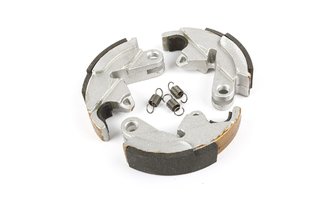
Clutch Shoes extra light Motoforce Peugeot 103
31,50 €
In stock
MotoForce
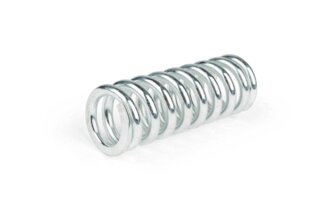
Engine Spring Peugeot 103 with 3,7L tank Chrome
4,90 €
In stock
MotoForce

Clutch Bell Piaggio and Peugeot Red
36,50 €
In stock
RRP
39,00 €
-6% Discount
MotoForce

Clutch Bell Piaggio and Peugeot Blue
37,50 €
In stock
RRP
39,00 €
-4% Discount
MotoForce
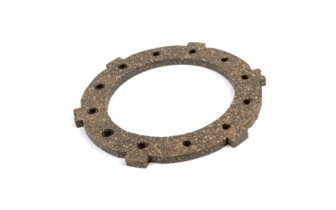
Clutch Disc reinforced Peugeot 103
4,70 €
In stock
RRP
5,00 €
-6% Discount
Stage6
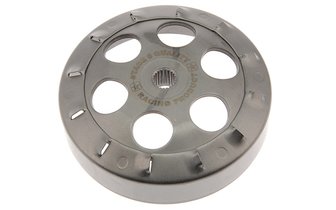
Clutch Bell Stage6 Wing Cooler 107mm Piaggio / Peugeot
62,00 €
In stock
RRP
76,00 €
-18% Discount
Sale
Stage6
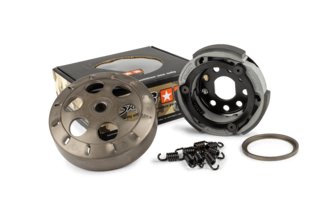
Clutch with bell Kit Stage6 Sport Pro Piaggio / Peugeot
144,85 €
In stock
160,00 €
-9% Set-Rabatt
Stage6
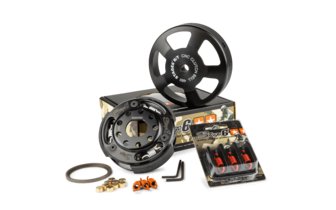
Clutch + Bell Kit Stage6 Torque Control MK2 Piaggio / Peugeot
203,30 €
In stock
214,00 €
-5% Set-Rabatt
Stage6 R/T
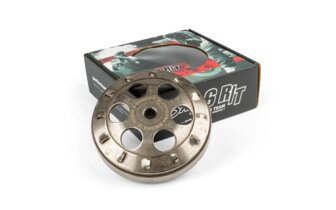
Clutch Bell Racing Stage6 R/T Wing Cooler Piaggio / Peugeot
73,00 €
In stock
RRP
91,00 €
-20% Discount
Sale
Stage6 R/T
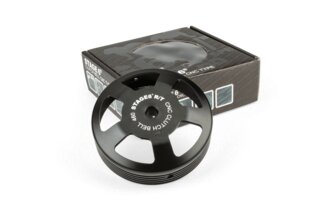
Clutch Bell Stage6 R/T 460g Piaggio / Peugeot
90,00 €
In stock
RRP
111,00 €
-19% Discount
Sale
MotoForce Racing
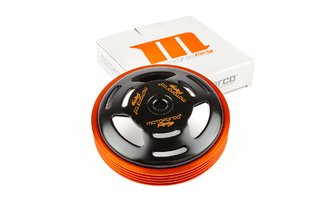
Clutch Bell 107mm Motoforce Racing Piaggio / Peugeot / Kymco / GY6
46,00 €
In stock
RRP
47,00 €
-2% Discount
MotoForce Racing
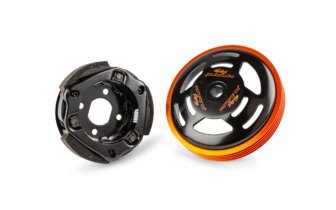
Clutch + Bell Kit 107mm Motoforce Racing Piaggio / Peugeot
81,00 €
In stock
90,00 €
-10% Set-Rabatt
Standard Parts
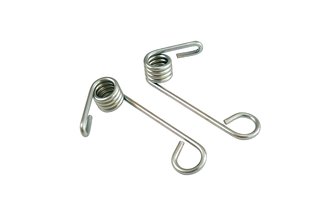
Torsion Springs engine (x2) OEM quality MBK 51 / 88 / AV-7
8,20 €
In stock
Standard Parts

Clutch Repair Kit Peugeot 103 MVL / SP /Vogue
2,40 €
In stock
2,80 €
-14% Discount
Standard Parts
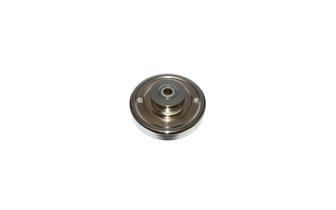
Clutch Pulley OEM quality MBK 88 / 41 w/o variator
25,00 €
In stock
RRP
36,00 €
-31% Discount
Standard Parts
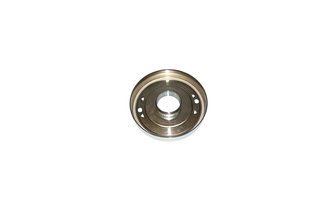
Clutch Bell MBK 51 / 41 / Club w. variator (ball weights)
9,90 €
In stock
RRP
15,00 €
-34% Discount
Standard Parts
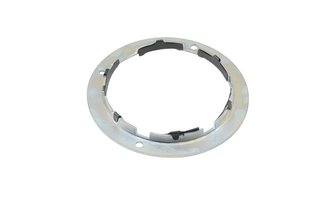
Clutch Ring Peugeot 103 MVL / Vogue
7,20 €
In stock
Polini
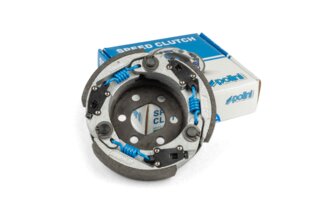
Clutch Polini 3G Evolution Piaggio / Peugeot
71,00 €
In stock
RRP
84,00 €
-15% Discount
Malossi

Clutch Kit 107mm Malossi Delta Clutch Piaggio / Peugeot 50cc
117,00 €
In stock
Sale
Standard Parts
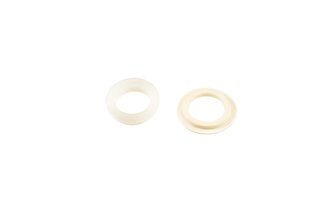
Variator Washer anti-friction Peugeot 103 MVL / SP / Vogue
1,90 €
In stock
2,10 €
-10% Discount
Standard Parts
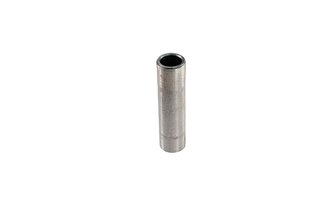
Variator Bearing Spacer Peugeot 103 MVL / SP / Vogue
5,40 €
In stock
5,60 €
-4% Discount
Standard Parts
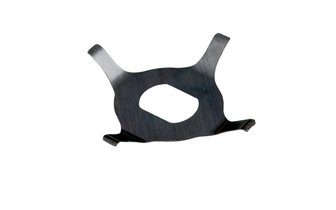
Clutch Spring Washer (star) Peugeot 103 SP / MV / Vogue
1,80 €
In stock
Standard Parts
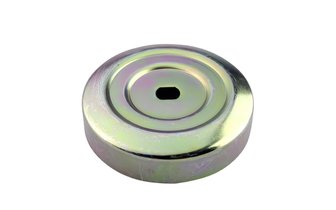
Clutch Bell Peugeot 103 SP / MVL / Vogue
10,50 €
In stock
Standard Parts
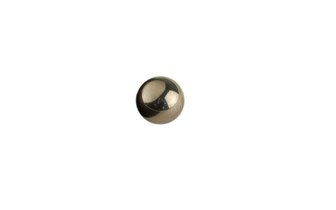
Clutch Ball Peugeot 103 MVL / Vogue / SP
1,80 €
In stock
Standard Parts
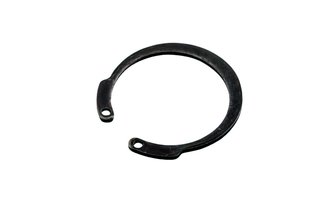
Clutch Circlips d=22mm MBK 51
0,60 €
In stock
0,70 €
-14% Discount
Standard Parts
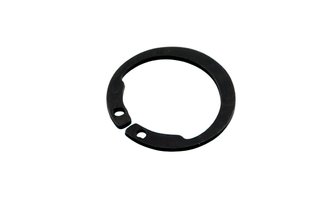
Clutch Circlips d=15mm MBK 51
0,60 €
In stock
1,00 €
-40% Discount
Standard Parts
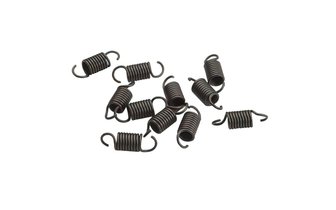
Clutch Spring Piaggio Ciao PX (1x)
2,30 €
In stock
Doppler
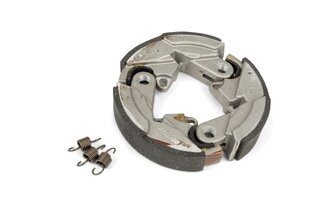
Clutch Shoes Sport Doppler Peugeot 103 SPX / RCX
50,00 €
In stock
Doppler
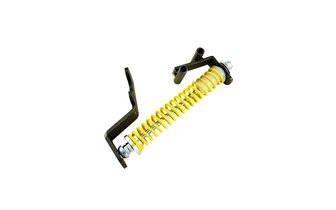
Tension Spring Doppler ER1 MBK 51
80,00 €
In stock
Malossi
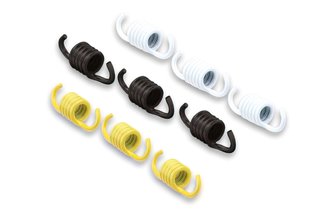
Clutch Spring Set Malossi (engines with variator)
16,00 €
In stock
RRP
20,00 €
-20% Discount
Sale
Malossi
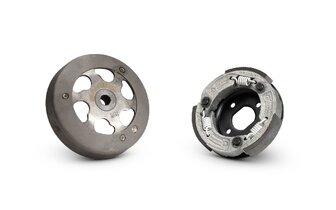
Clutch Kit 107mm Malossi Fly Clutch Piaggio / Peugeot 50
86,00 €
In stock
RRP
107,00 €
-20% Discount
Sale
Malossi
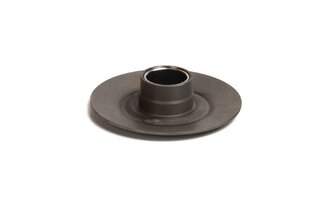
Rear Pulley Malossi Piaggio Ciao
38,50 €
In stock
RRP
48,00 €
-20% Discount
Standard Parts
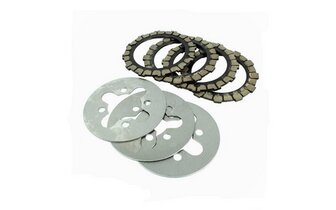
Clutch Discs Simson S50 / KR51
13,50 €
In stock
Doppler
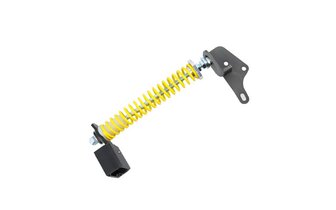
Engine Spring Doppler ER1 Peugeot 103 SPX Malossi crankcase
80,00 €
In stock
Doppler
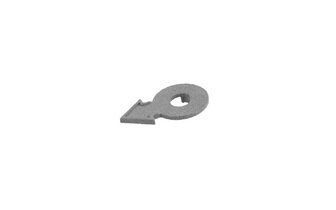
Clutch Alignment Arrow Doppler Peugeot 103 SPX
8,00 €
In stock
Doppler

Pinion 11 teeth clutch Doppler Open Peugeot 103 / MBK 51
33,50 €
In stock
RRP
34,00 €
-1% Discount
Doppler
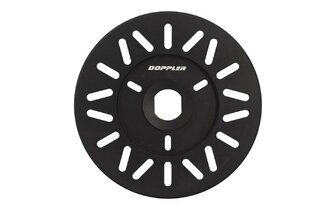
Clutch Bell Doppler Open
62,00 €
In stock
RRP
78,00 €
-21% Discount
Malossi
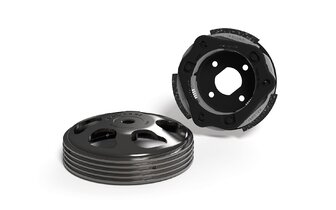
Clutch Malossi Delta Clutch 107mm Piaggio
180,00 €
In stock
RRP
215,00 €
-16% Discount
Sale
Standard Parts
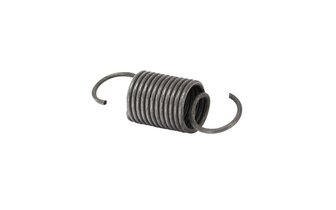
Spring clutch shoes MBK 51 (x1)
1,20 €
In stock
Standard Parts
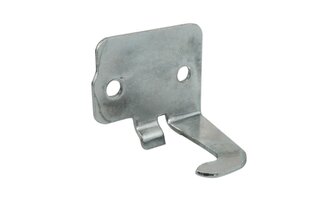
Retaining Plate engine spring MBK 51
2,50 €
In stock
RRP
4,70 €
-47% Discount
Standard Parts
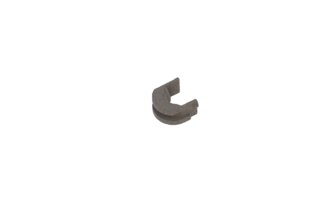
Engine Spring Stop Peugeot 103 SPX (OEM 717561)
8,20 €
In stock
Malossi
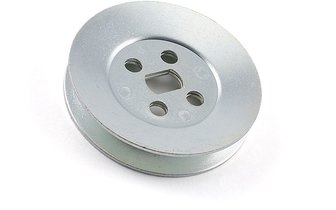
Clutch Pulley Half Malossi 65mm Piaggio Ciao / PX
10,00 €
In stock
RRP
12,00 €
-17% Discount
Sale
Malossi
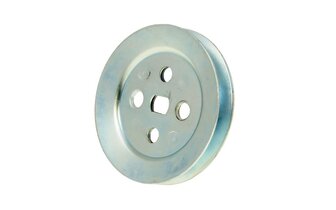
Clutch Pulley Half Malossi 70mm Piaggio Ciao / PX
10,00 €
In stock
RRP
12,00 €
-17% Discount
Sale
Malossi
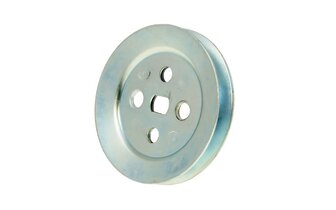
Clutch Pulley Malossi 80mm Piaggio Ciao / PX
13,00 €
In stock
Standard Parts
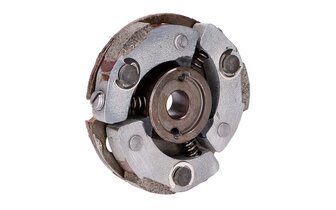
Clutch 3 shoes Puch Maxi
42,00 €
In stock
Standard Parts
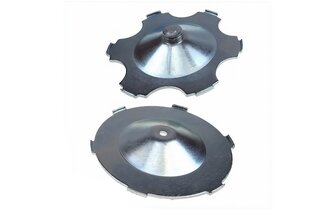
Clutch Pressure Plate Puch Maxi Sp
16,00 €
In stock
Standard Parts
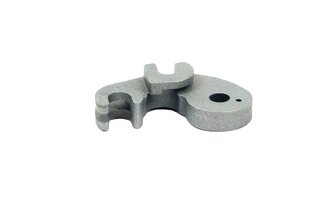
Clutch Release Lever Puch Maxi
8,60 €
In stock
Malossi
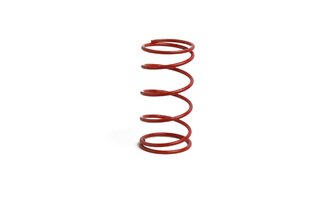
Torque Spring Malossi red Piaggio Si
11,00 €
In stock
Malossi
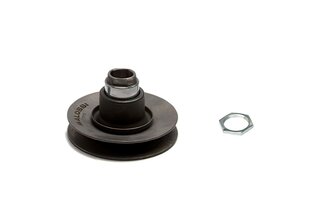
CVT Rear Pulley Malossi Over Range Piaggio Si
117,00 €
In stock
RRP
144,00 €
-19% Discount
Sale
Polini
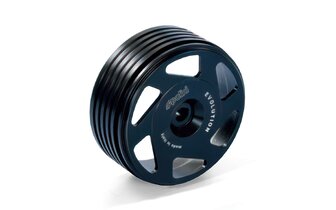
Clutch Bell Polini Evolution Piaggio Ciao / Si
96,00 €
In stock
RRP
114,00 €
-16% Discount
Doppler
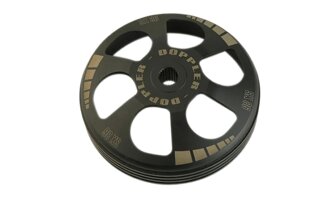
Clutch Bell Doppler SX86 107mm Peugeot / Piaggio / Honda / Kymco
60,00 €
In stock
RRP
64,00 €
-6% Discount
Sale
Swiing
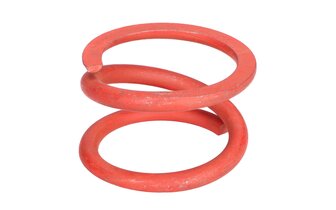
Clutch Spring swiing reinforced +40% Puch Z50
18,00 €
In stock
21,00 €
-14% Discount
Sale
Standard Parts
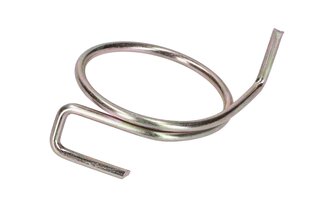
Torsion Spring clutch shaft Simson
1,30 €
In stock
RRP
4,60 €
-72% Discount
Standard Parts
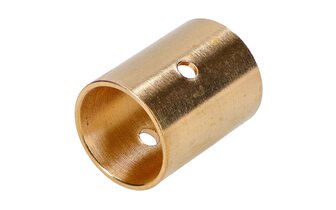
Bearing Bush clutch basket Puch Maxi E50 / P1 / P2
5,10 €
In stock
Polini
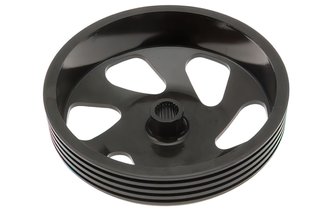
Clutch Bell Polini EVO 2 Piaggio NRG / Typhoon
89,00 €
In stock
RRP
105,00 €
-15% Discount
Standard Parts
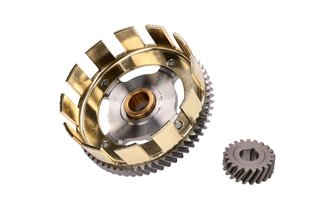
Clutch Basket lightweight stage 2 w/ sprocket 62/21 Simson
55,00 €
In stock
Standard Parts
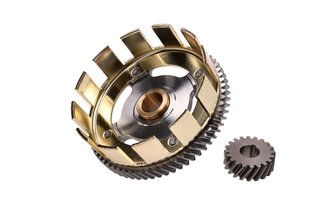
Clutch Basket lightweight stage 2 w/ sprocket 65/20 Simson
32,50 €
In stock
RRP
52,00 €
-38% Discount
Standard Parts
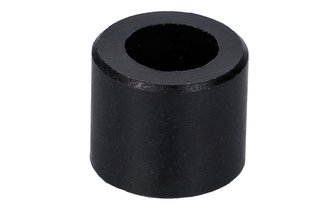
Bearing Bush clutch lever Simson
1,80 €
In stock
RRP
2,90 €
-38% Discount
MotoForce
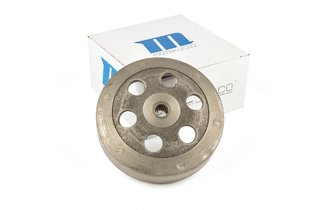
Clutch Bell OEM quality Piaggio / Peugeot
17,00 €
In stock soon
RRP
20,00 €
-15% Discount
Standard Parts
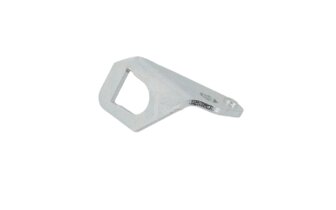
Engine Spring Mount Peugeot 103 SPX
9,90 €
In stock soon