


Add your bike
Find products suitable for your machine
Display only products that match your vehicle. Simply select your vehicle type, make and model. You can also simply add it to your garage to access it later.
Clutch
(219 products)
Product type
Brand
Price
Piaggio
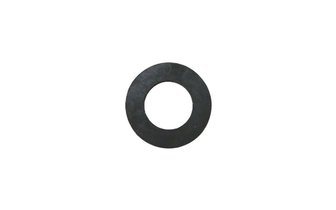
Washer clutch bell Vespa ET4/LX/S/GTS/GTSSuper/GTV/GT 60/GT 125-300cc
1,20 €
In stock
Malossi
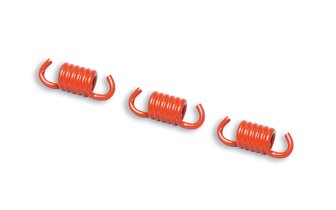
Clutch Springs Malossi Delta / Fly Clutch red d=2mm
9,00 €
In stock
Sale
Doppler
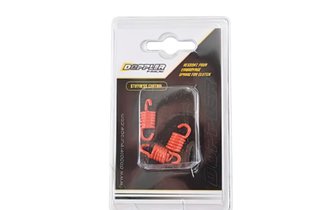
Clutch Springs Doppler SX86 red d=1.8mm
13,00 €
In stock
Polini
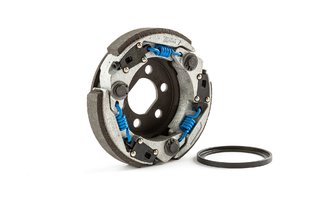
Clutch Polini 3G Evolution 107mm Minarelli
71,00 €
In stock
RRP
84,00 €
-15% Discount
Polini
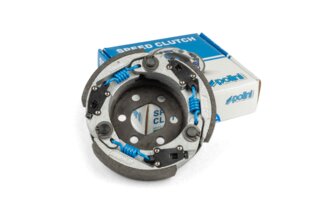
Clutch Polini 3G Evolution Piaggio / Peugeot
71,00 €
In stock
RRP
84,00 €
-15% Discount
Malossi
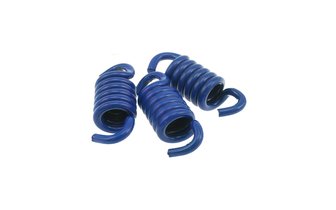
Clutch springs Malossi RACING, d=2.1mm, 3 pieces, blue
8,50 €
In stock
Sale
Italjet
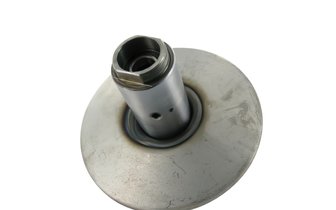
CVT Rear Pulley (fixed), Morini, complete with bearings
36,50 €
In stock
RRP
99,50 €
-63% Discount
Aprilia
Guide pins for rear pulleys Aprilia
2,40 €
In stock
RRP
2,90 €
-17% Discount
Malossi

Clutch Kit 107mm Malossi Delta Clutch Piaggio / Peugeot 50cc
117,00 €
In stock
Sale
2Fast
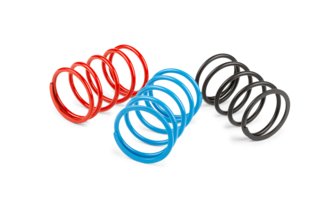
Torque Springs 2Fast Minarelli / Piaggio
from 16,00 €
In stock
2Fast
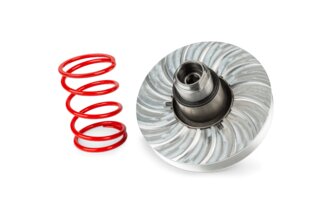
CVT Rear Pulley 2Fast aluminium CNC Piaggio
372,00 €
In stock
Malossi

Grease Malossi CVT rear pulley 40g
10,50 €
262,50 € / 1 kgs
In stock
2Fast
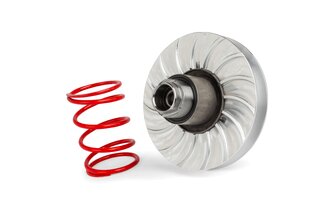
CVT Rear Pulley 2Fast aluminium Yamaha Aerox / BW's
372,00 €
In stock
Malossi
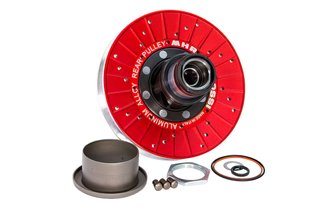
CVT Rear Pulley Overrange Malossi MHR La Furia Rossa Minarelli
306,00 €
In stock
RRP
354,00 €
-14% Discount
Malossi
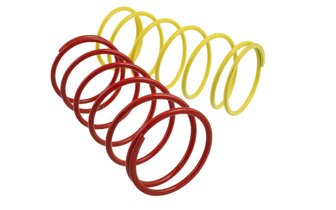
Torque Spring Malossi Piaggio Zip series 1 (1991-1994)
from 9,60 €
In stock
Malossi
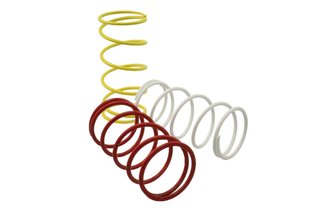
Torque Spring Malossi Minarelli / Morini
8,00 €
In stock
9,50 €
-16% Discount
Malossi

Torque Spring Malossi Racing Piaggio / Peugeot
from 9,90 €
In stock
Polini
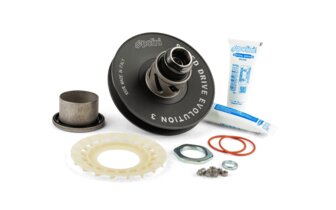
Torque Drive Polini Speed Drive Evolution 3 Minarelli
299,00 €
In stock
RRP
331,00 €
-10% Discount
Doppler
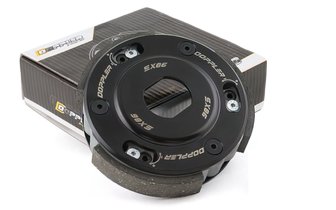
Clutch Doppler SX86 d=107mm Minarelli / Peugeot / Piaggio
78,00 €
In stock
RRP
85,00 €
-8% Discount
Sale
Malossi
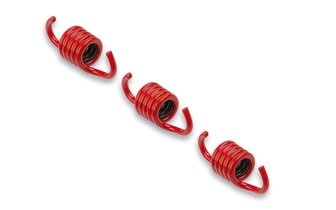
Clutch Springs Malossi Racing red d=2.2
7,90 €
In stock
9,90 €
-20% Discount
Sale
Malossi
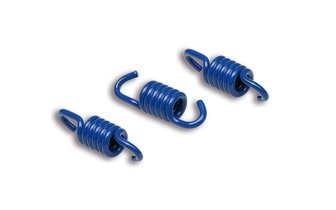
Clutch Springs Malossi blue super reinforced 2.0
8,20 €
In stock
RRP
9,40 €
-13% Discount
GY6
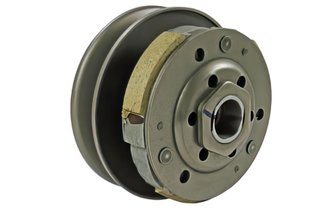
CVT Rear Pulley / Clutch 107mm Peugeot / Kymco / Honda / 139QMB / SYM
41,50 €
In stock
Malossi
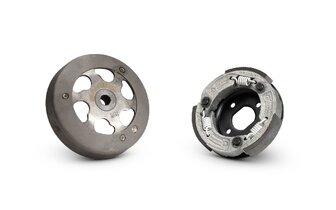
Clutch Kit 107mm Malossi Fly Clutch Piaggio / Peugeot 50
86,00 €
In stock
RRP
107,00 €
-20% Discount
Sale
Polini
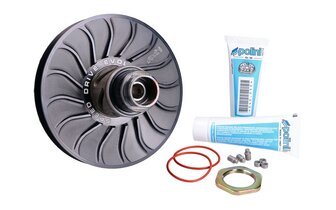
Torque Drive Kit Polini Speed Drive Evolution PRE Piaggio
384,00 €
In stock
RRP
450,00 €
-15% Discount
Doppler
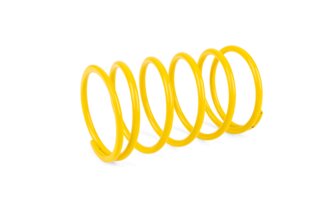
Torque Spring Doppler 4.2 Yellow +53% Minarelli
7,00 €
In stock
Malossi
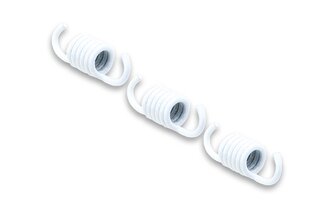
Clutch Springs Malossi Piaggio / MBK / Peugeot Medium white
9,70 €
In stock
Malossi
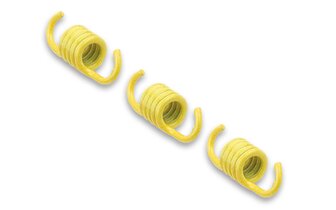
Clutch Springs Malossi Piaggio / Yamaha / Peugeot yellow
8,40 €
In stock
Malossi
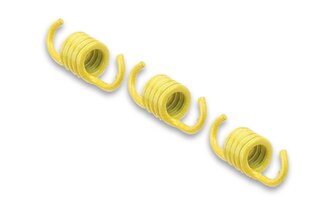
Clutch Springs Malossi Piaggio / MBK / Peugeot Extra Hard
7,40 €
In stock
Malossi
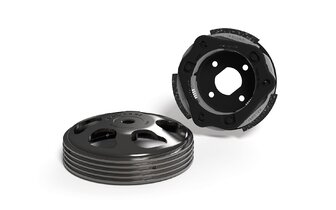
Clutch Malossi Delta Clutch 107mm Piaggio
180,00 €
In stock
RRP
215,00 €
-16% Discount
Sale
Malossi
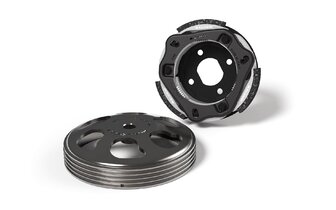
Clutch Malossi Delta Clutch 107mm Minarelli
180,00 €
In stock
Sale
Malossi
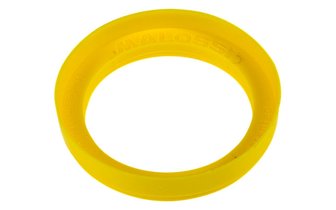
Torque Spring Seat Torsion Control Malossi Minarelli / Morini
6,80 €
In stock
Doppler
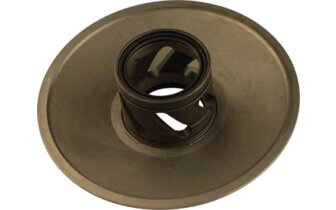
Pulley Half Doppler S3R Keeway Hurricane
70,00 €
In stock
Malossi
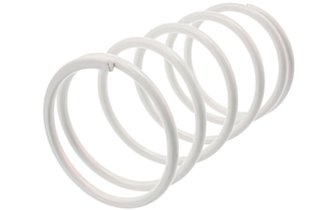
Torque Spring Malossi white Peugeot Ludix / Speedfight 3
7,70 €
In stock
RRP
8,80 €
-13% Discount
Malossi
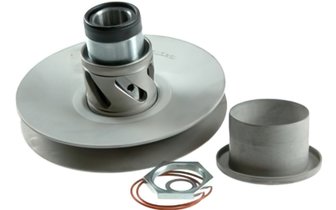
CVT Rear Pulley Malossi MHR Overrange MBK / Yamaha short
211,00 €
In stock
RRP
240,00 €
-12% Discount
Doppler
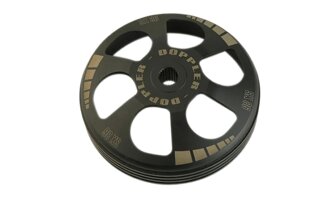
Clutch Bell Doppler SX86 107mm Peugeot / Piaggio / Honda / Kymco
60,00 €
In stock
RRP
64,00 €
-6% Discount
Sale
Doppler
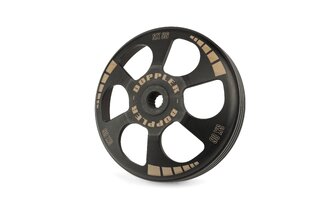
Clutch Bell Doppler SX86 D.107mm Minarelli
65,00 €
In stock
RRP
71,00 €
-8% Discount
Sale
Malossi
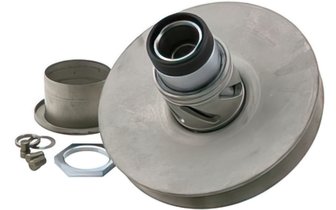
CVT Rear Pulley Malossi MHR Overrange Piaggio NRG / Typhoon after 1998
191,00 €
In stock
RRP
229,00 €
-17% Discount
Sale
Malossi
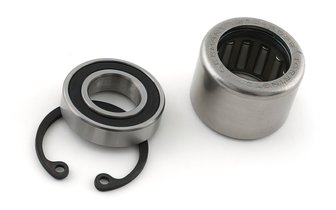
Rear Pulley Bearings Malossi Minarelli / Piaggio
26,00 €
In stock
Sale
Polini

Clutch Springs Polini Speed Clutch
10,50 €
In stock
RRP
11,00 €
-5% Discount
Polini
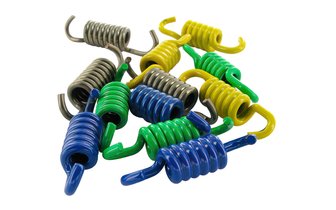
Clutch Spring Set 4x3 Polini Piaggio NRG / Typhoon
16,00 €
In stock
RRP
17,00 €
-6% Discount
Polini
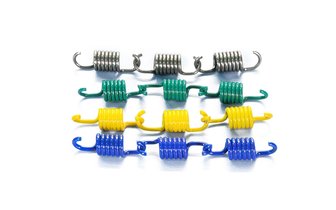
Clutch Springs Polini d=107mm Yamaha Aerox / BW's
17,00 €
In stock
Malossi
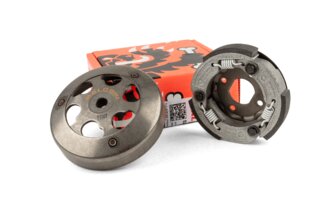
Clutch Kit Malossi Fly Clutch Minarelli
84,00 €
In stock
RRP
102,00 €
-18% Discount
Malossi
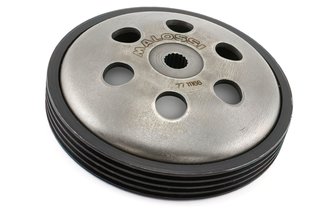
Clutch Bell Malossi Wing Bell 107mm Minarelli
51,50 €
In stock
RRP
52,00 €
-1% Discount
Malossi
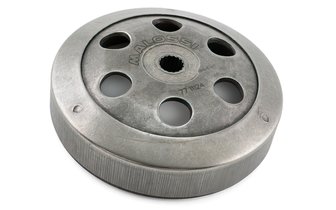
Clutch Bell Malossi standard (107mm) Yamaha Aerox / BW's
35,00 €
In stock
Sale
Malossi
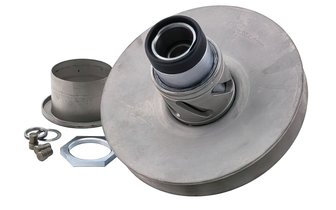
CVT Rear Pulley Malossi MHR Overrange Yamaha Aerox
195,00 €
In stock
RRP
229,00 €
-15% Discount
Sale
Malossi
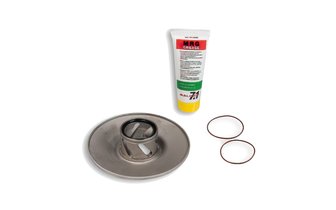
CVT Rear Pulley Malossi 34.02mm Peugeot Speedfight / Trekker
96,00 €
In stock
RRP
115,00 €
-17% Discount
Sale
Malossi
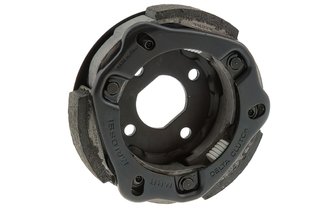
Clutch Malossi Delta Clutch d=107 Yamaha Aerox / BW's
104,00 €
In stock
Malossi
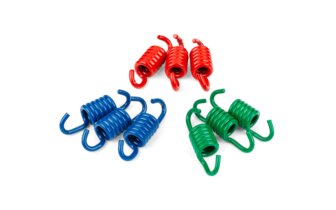
Clutch Springs Malossi MBK / Peugeot / Honda / Kymco 107mm
20,50 €
In stock
Malossi
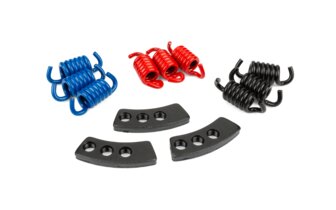
Clutch Springs Malossi Delta Clutch Racing Minarelli / Piaggio / Peugeot
25,00 €
In stock
Malossi
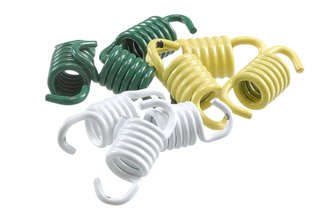
Clutch Springs Malossi Fly/Delta Clutch Minarelli / Piaggio / Peugeot
16,00 €
In stock
20,00 €
-20% Discount
Sale
Malossi
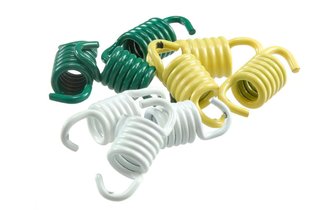
Clutch Springs Malossi Racing Yamaha Aerox / BW's 100cc
27,50 €
In stock
Malossi
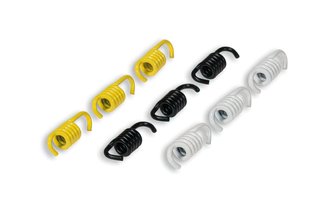
Clutch Springs Malossi Racing Piaggio / Yamaha / Peugeot
19,00 €
In stock
RRP
20,00 €
-5% Discount
Polini
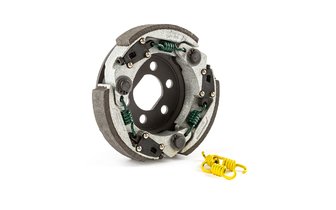
Clutch Polini ForRace Piaggio / Peugeot
72,00 €
In stock
RRP
84,00 €
-14% Discount
Polini
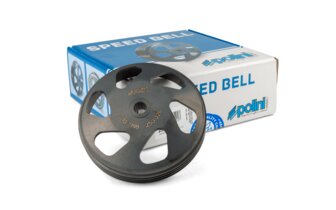
Clutch Bell Polini EVO II d=107mm Yamaha Aerox / MBK Nitro
89,00 €
In stock
RRP
105,00 €
-15% Discount
Polini
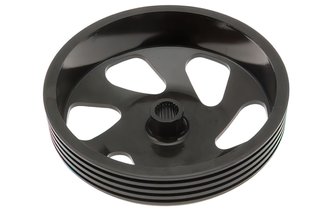
Clutch Bell Polini EVO 2 Piaggio NRG / Typhoon
89,00 €
In stock
RRP
105,00 €
-15% Discount
Malossi
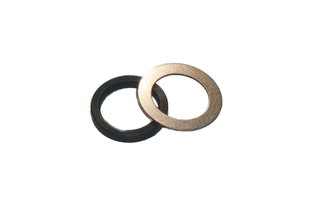
Rear Pulley Spacer Shims Malossi Minarelli
7,60 €
In stock
Top Performances
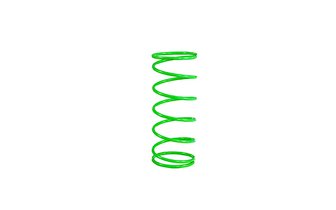
Torque Spring green +15% Top Performances Minarelli
9,00 €
In stock
11,00 €
-18% Discount
Sale
Doppler
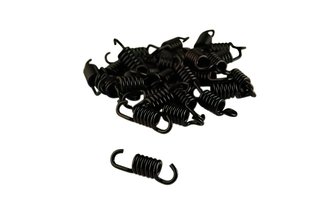
Clutch Springs x30 Doppler +50% black Piaggio / Peugeot
30,00 €
In stock
Doppler
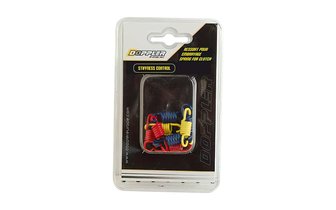
Clutch Spring Kit 3x3 Doppler Piaggio / Peugeot
18,00 €
In stock
RRP
19,00 €
-5% Discount
LeoVince
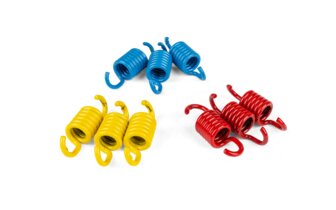
Clutch Spring Kit 3x3 Leovince Minarelli after 2004
19,50 €
In stock